Skip to content
The Learning Nest
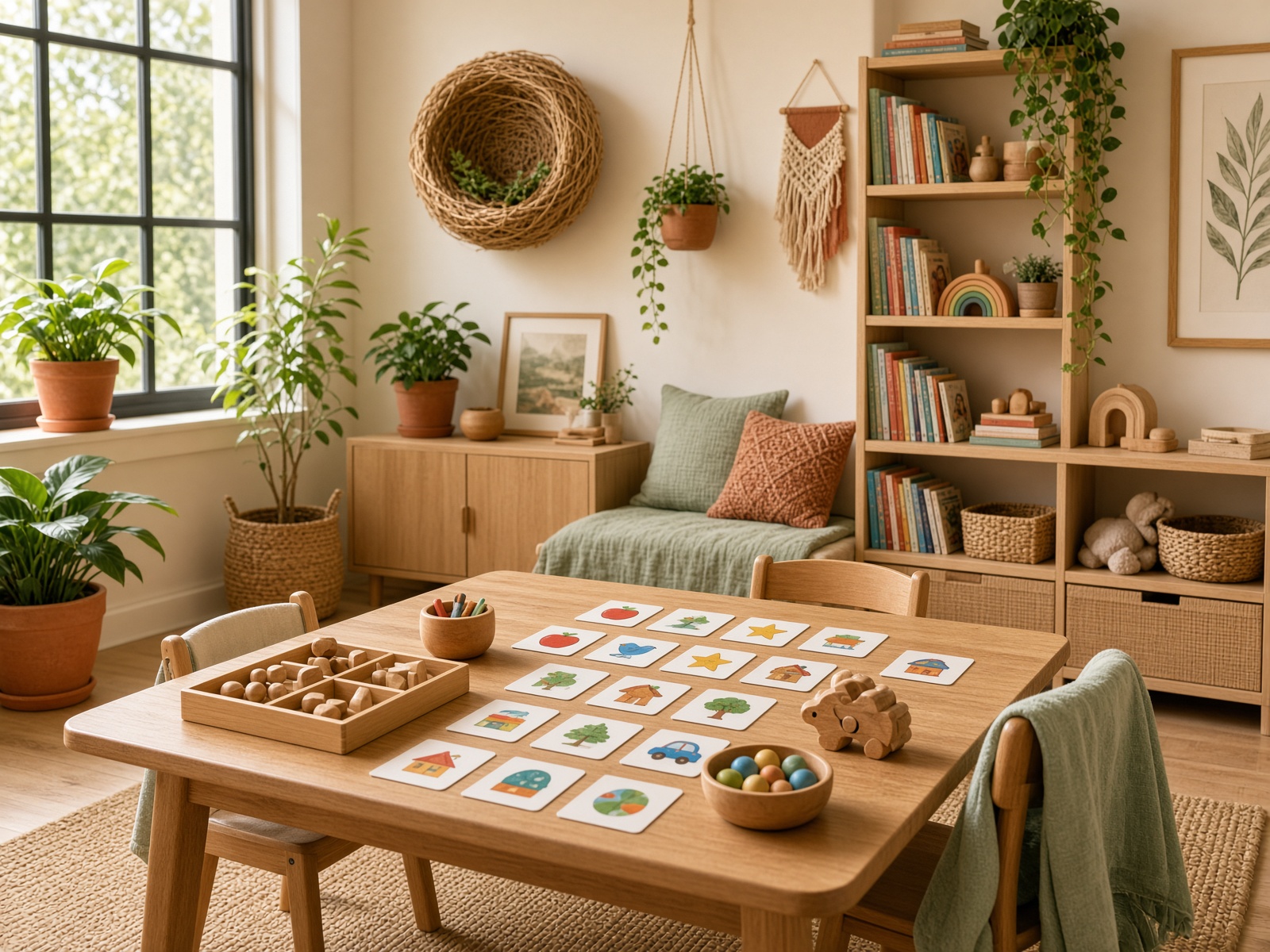
A sunlit pediatric speech therapy room with wooden toys and picture cards

Services

Support that grows with your child

Every plan starts with who your child already is. We do not sell packages. We match the work to the season they are in.

Birth – 3

Early language

Sessions follow your child’s lead with toys, songs, and everyday routines. You leave with two or three cues for breakfast, the walk home, and bedtime. Growth happens between visits; we make that time count.

Families often come in when

  • Fewer words than peers
  • Mostly pointing or pulling instead of talking
  • Words that came, then faded

2 – 12

Speech sounds

Articulation and phonological patterns through games, movement, and just-right challenge. You’ll hear the sound in play first, then in words, then in the stories they tell you on the walk home.

Families often come in when

  • Hard for unfamiliar listeners to understand
  • Sounds that drop, swap, or stay ‘baby-like’
  • Frustration when they have to repeat

3 – 18

Language & understanding

Language therapy here looks like building forts, cooking, and telling wild stories. Vocabulary, grammar, and comprehension that transfer to the classroom and the dinner table — including homes where more than one language is spoken.

Families often come in when

  • Trouble following multi-step directions
  • Short or jumbled sentences
  • Difficulty retelling what happened at school

2 – 18

Fluency & stuttering

Confidence-first work with children who stutter and the people who love them. Easier speaking, tools for sticky moments, and a family that knows how to listen. No one is asked to be fluent for therapy’s sake.

Families often come in when

  • Repeating sounds or getting stuck on words
  • Avoiding talking in groups
  • Tension in the face or body while speaking

4 – 18

Social communication

Reading the room, joining play, repairing mix-ups. Neurodivergent children are welcomed as they are; we teach skills, not a script for being someone else.

Families often come in when

  • Play that stays parallel, not shared
  • Conversations that skip the other person’s topic
  • Meltdowns after social mix-ups

Birth – 10

Feeding & oral motor

Mealtimes should not be a battle. Oral motor skill, sensory comfort, and family routines, then a menu that grows in tiny, trustworthy steps. No ‘just make them eat it’ plans.

Families often come in when

  • A very short list of accepted foods
  • Gagging, packing, or refusing textures
  • Mealtimes that last forever or end in tears

All ages

AAC & complex communication

AAC modeled the way talking is modeled: throughout play, with joy, without quizzes. Home and school learn to speak the same language.

Families often come in when

  • Speech that isn’t meeting communication needs
  • A device that lives in a backpack
  • Needing a consistent plan across home and school

4 – 12

Literacy & phonological awareness

Many children who struggled to say sounds also struggle to hear them in words. We build the foundation reading needs — and will coordinate with your child’s teacher or tutor so nobody is rowing in different directions.

Families often come in when

  • Trouble rhyming or hearing first sounds
  • Guessing at words instead of sounding out
  • A speech history plus a reading wobble

Sound garden

Tap a sound. See how it grows.

A playful peek at the sounds we work on every day — and the ages most children have them. If one is late or sticky, that is a reason to talk, not a verdict.

Most children have this by age 7

Snake S

A skinny stream of air down the middle of the tongue.

Try this at home: Smile a little, keep the tongue inside, and hiss a long snake.

Not sure where to start?

A parent consult is twenty minutes of listening. We’ll tell you honestly if watchful waiting is enough.

Book a consult