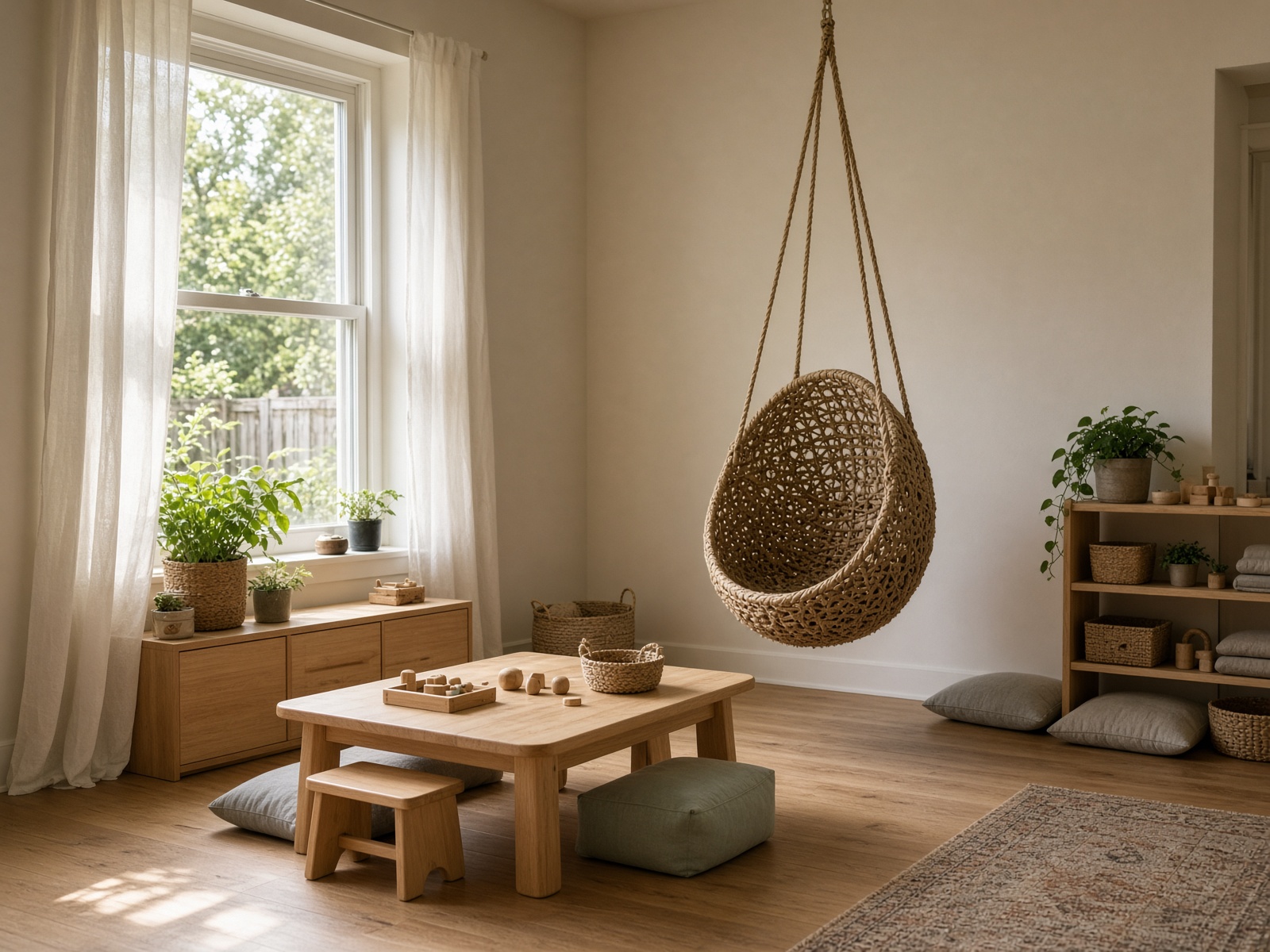
Our nest
Built for the in-between moments

Speech-language pathologist
Maya Ellison, M.S., CCC-SLP
Early language · speech sounds · parent coaching
Maya opened The Learning Nest after a decade in hospitals and schools — skilled rooms, fluorescent lights, parents waiting in a hallway. She wanted therapy that looked like the rest of a child’s life: play, a parent who knows the cue, a clinician on the rug.
If this nest is the right fit, you will know quickly. If it is not, you still leave with a clear next step.
How the work goes
Play is the method
Not a warm-up. The target lives inside the game, so children stay in the work long enough for it to stick.
Parents are partners
You stay. You learn two cues, not a binder. The bagel line and bedtime are where therapy actually happens.
Plain-language progress
Goals you can repeat to a grandparent. Check-ins that tell the truth. No mystery about whether this is helping.

The story
We were tired of the hallway.
Maya spent a decade in hospitals and schools: skilled rooms, fluorescent lights, parents parked outside with a magazine. Children made progress. Families did not always feel part of it.
The Learning Nest opened so therapy could look like the rest of a child’s life: play, snacks, a parent who knows the cue, a clinician on the rug. Growth is a family sport.
Close to home
A nest that fits the rest of the week.
Therapy should live near the playground, the pickup line, and the dinner table — not at the far end of a long drive.
Easy to land
A ground-floor room, street parking, and a drop-off that does not involve a garage maze.
After the bell
Hours that make sense after pickup — and quieter mornings when the week is already full.
Room for siblings
They can share the playroom, or the park down the block for the last five minutes.
Close to home
A walking neighborhood of stoops, playgrounds, and more than one language at dinner.